Managing cross-cultural leadership challenges can be a complex task, requiring a deep understanding of diverse values, preferences, and communication styles.
At Gugin, we have been helping organizations navigate these challenges since 2001. Our expertise lies in bridging the gaps between different cultures, whether they stem from different professional backgrounds, age groups, nationalities, or departments.
One of the major challenges we often encounter is the unpredictability of behavior. Individuals from different cultures have varying definitions of key concepts, such as quality and timeliness, which can lead to conflicting priorities. For example, when outsourcing IT projects, tensions can arise if one party prioritises delivering on time while the other focuses on perfection. This divergence in values can cause frustration and misunderstandings.
However, by cultivating cultural intelligence and understanding the underlying values, we can find solutions that leverage the richness of diverse perspectives. Compromising values is another significant issue in cross-cultural leadership. Our behavior reflects our values, and clashes arise when others' actions challenge our own. However, rather than judging which cultural norms are right or wrong, it is essential to reconcile these differences in business dealings. To do so, we emphasize the importance of understanding your own culture and conducting thorough cultural due diligence.
While managing diverse teams may present challenges, it also offers great rewards. By developing cultural intelligence and fostering an inclusive environment, organizations can harness the full potential of multicultural teams. At Gugin, we help align corporate culture with strategy, guide organizations through change, and cultivate the cultural intelligence necessary for success. Join the more than 600 companies worldwide we have assisted in creating winning corporate cultures.
Cross-Cultural Leadership definition
If you google cross-cultural leadership you will find thousands of definitions We like to stick with this definition
We don't want to go into a long discussion about the differences between leadership and management here.
Unpredictable behaviour in Cross-Cultural Leadership
We all have different values, different priorities in life and different understanding of what each word means. Quality, for example, is by some people associated with delivering on time, while others associate it with being perfect, beautiful or robust. We always say we want the highest quality delivered on time, but we all know that reality often is very different. We have to compromise. We have to either deliver an 80% solution on time or give up delivering on time. The cross-cultural leadership challenge is that we have different preferences for what is important.
Example: IT outsourcing
We have worked with quite a few clients who were frustrated about that the companies they had outsourced their IT development project too. The frustration related to cross-cultural leadership develops if the company prioritises delivering on time while the company they have outsourced to prioritises perfection over delivering on time. Both values are important but when you can't achieve both you have to prioritise. From a cross-cultural leadership perspective, this is very challenging. We assume we prioritise the same way, understand words like "quality" the same way and communicate the same way. But we don't.
So suddenly we experience other people behave and prioritise in ways we don't understand. If we are less experienced with these cross-cultural challenges we get frustrated maybe even angry. If we have a higher level of cultural intelligence we assess the differences in the underlying values and will try to reconcile these differences and find a solution that enriches having different value sets in play.
Compromising values
Our behaviour is closely linked to our underlying values and norms. As we have different norms and values because of differences in cultures leads to different behaviours. According to ourselves we always behave properly because our behaviour always reflects our own values - even when we do something cruel. Cultural clashes happen when other people's behaviour compromises our own values. It happens all the time. You may have a value about giving up your seat on the bus to an elderly man, while others do not share that value. When an elderly person comes on the bus and no one gives him a seat you will feel offended - because your values are compromised.
Some years ago I moved from Denmark to southern France. I use to have a coffee at the same cafe every morning when walking the dog. In the beginning, I noticed that the regulars got a small Pain Au Chocolat together with their coffee, while I just got the coffee. I could feel offended. Why do they get better treatment than me - we are all equal. At least that is how the cultural norms are in Denmark. Everyone is treated equally bad and no one should think he is somebody special. In France it is different and that is one of the reasons why I love living here. By coming to the same cafe often you build a relationship and you show loyalty. That loyalty is rewarded with a small Pain Au Chocolat together with your coffee. If I was not aware of the differences in the underlying values, I could have made a scene ( what some tourists do sometimes). There are different values in different cultures and we are not to judge which ones are right. They are all right in the cultural frame, where they exist.
In business dealing with compromising values is an important issue to reconcile. As I wrote before - norms and values are closely tied to a culture. The norms and values you have in your organisation support your corporate culture, so when you employ new people, outsource to external companies or hire in-house subcontractors you have to make sure that they share your norms and values.
How do you check norms and values?
First, you have to be very aware of your own culture. In Gugin we call that the cultural DNA and we describe that Cultural DNA through our Cultural Due Diligence Process which goes through all the elements of your culture and make the diffuse term "culture" more tangible by looking at all the measurable elements in the cultural DNA.
Difficult to perform as a manager
Many of the managers we talk to find cross-cultural leadership annoying and difficult. Managing cultural diverse groups, because decision processes take much longer time, you have to explain everything and you never know what is going to happen. The managers don't respond this way because they are narrow-minded or don't acknowledge that we are living in a globalised world.
They respond this way because they find it difficult to perform well as a manager in that situation because they lack skills and experience in cross-cultural leadership. The managers have to meet deadlines, deliver high quality within the budgets. They can only do that in a multicultural environment if they know how to manage, motivate, encourage and communicate with a team of people with many different values. That is why developing cultural intelligence is crucial for most organisations.
Managing a culturally diverse team is like eating with a knife and a fork. They are two very distinct tools, but because you have the cultural intelligence that enables you to use the knife in one way and the fork in another - at the same time you can eat a huge variety of food.

Cross-Cultural Leadership explained
As annoying it might be working with a diverse group of people it is equally rewarding when you succeed and you experience how much better multicultural teams are when all the members understand the basic elements of cultural intelligence.

Dr Finn Majlergaard
CEO Gugin, Professor, Author, Keynote Speaker, Author
- We align your corporate culture with your strategy.
- We take you safely through major changes in your organisation.
- We develop the crucial cultural intelligence in your organisation by training your employees and leaders
- We help you develop a competitive advantage with a unique corporate culture
Gugin has helped more than 600 companies around the world creating a winning corporate culture.


I just say things as they are…
I just say things as they are – is a phrase we often hear. It reveals that the person saying it has very low cultural and emotional intelligence
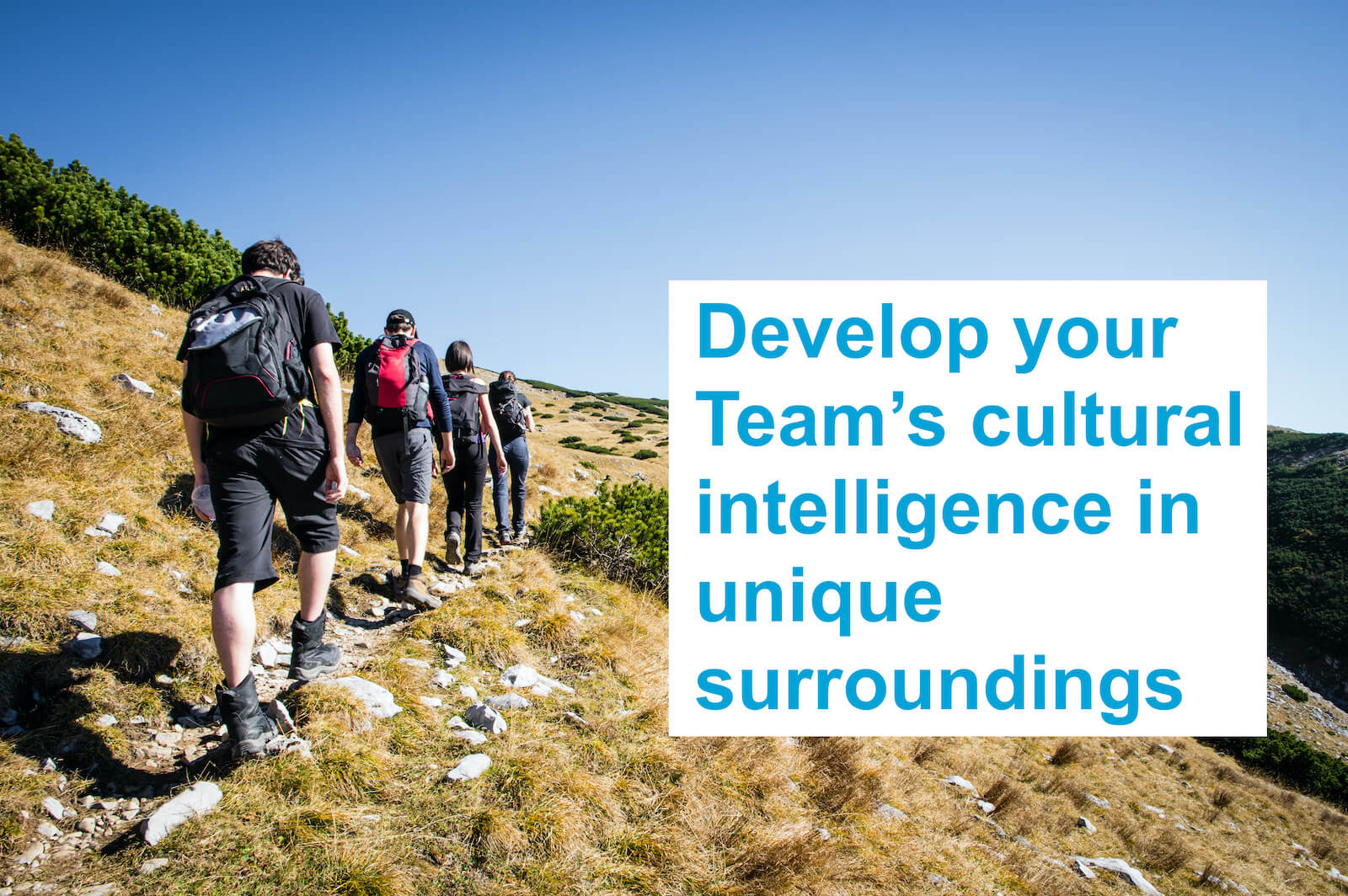
Cross-Cultural Team Development in the Southern French Alps
Team development in the southern French Alps is a great way to develop your cultural competence is in your team together with the Gugin experts
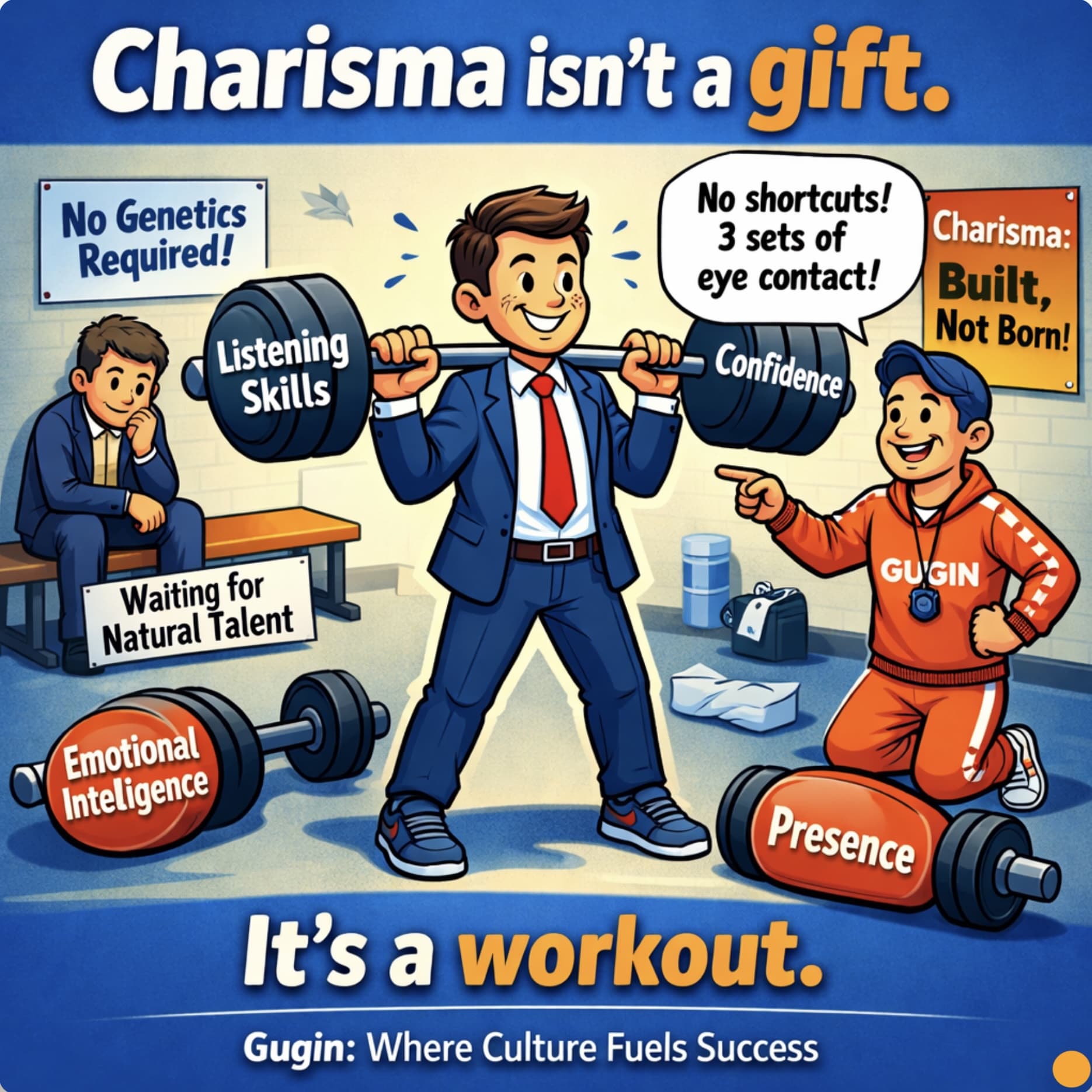
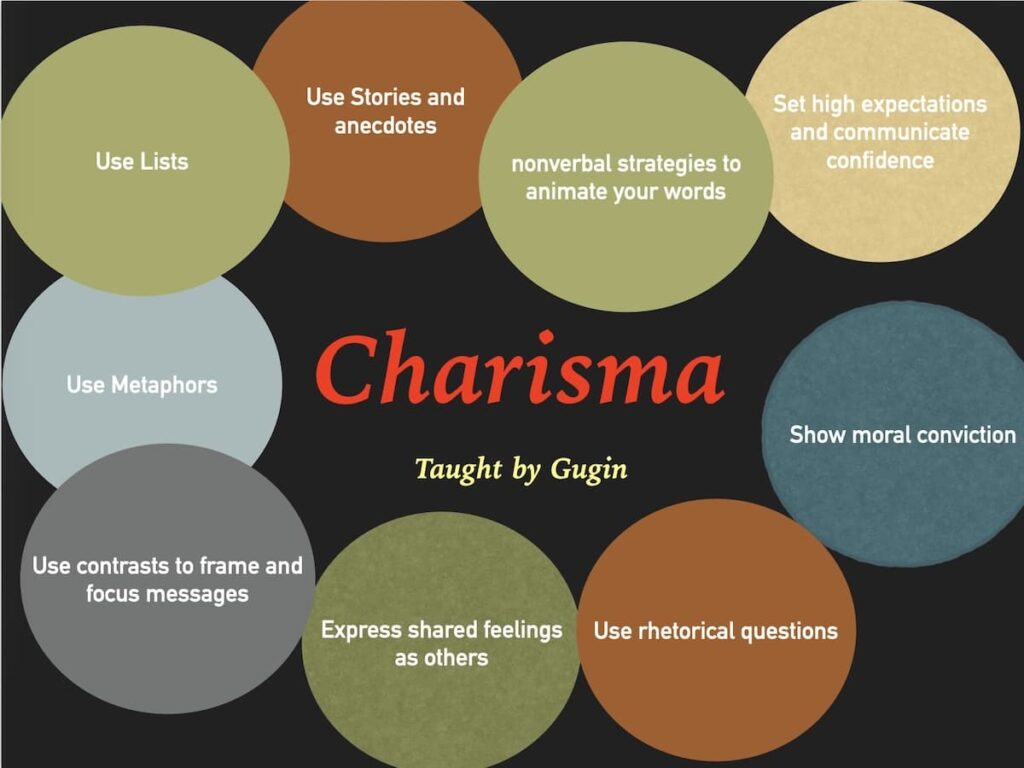
Charisma Is Not a Gift — It’s a Skill. Here’s How Gugin Teaches It.
What separates a good leader from one who truly moves people? Research — and decades of cultural intelligence practice — point to one word: charisma. And unlike talent, charisma can be learned.

Culture Audit – Get the truth about your organisation
A Culture Audit gives you crucial insight into how well your company culture is supporting your strategy and desired values. You might be in for a big surprise

USA walk from one disaster to another as it lacks emotional- and cultural intelligence
USA walk from one disaster to another as it lacks emotional- and cultural intelligence. As the world is becoming multipolar, USA is a a lot more disasters that only in their wars.

Why EU Defence Collaboration Depends on Cultural Intelligence
Emotional and cultural intelligence are key to successful EU defence collaboration, enabling trust, cohesion, and innovation across borders.
Learn how to create an inclusive workplace culture
This Gugin video teaches you how you can create an inclusive workplace culture so you get motivated, satisfied and innovative employees in your organisation