

Cultural fit or skills - what is most important when hiring people ? You will probably say both, but which one comes first? Do you start by looking for people who culturally fit into your organisation or do you start by looking for specific skills for a specific job?
In Gugin we have discussed that dilemma with our clients many times. Most of them have tried to hire candidates where his or her skills fitted perfectly with the requirements, but his or her personality just made it impossible to keep that person in the job. Terminating the employment contract a few months after you hired the person is sad for everyone involved. On top of that, it is costly for the employer and it might set you back operationally and strategically.
Harvard Business Review published a research article in 2018 with the title "Research: How One Bad Employee Can Corrupt a Whole Team". It was one of the triggers that lead us into doing our own research on our clients to see if checking for cultural fit would have a positive impact. It turned out to be the case.
Cultural fit - the dark horse when hiring people
It is fairly easy to find out if a candidate has the required skills for a particular job. And often you can get these skills verified through references, tests, interviews etc. But how do you find out if there is a good cultural fit between the candidate and the organisation?
That is a far more complex task but nevertheless even more important than finding a candidate with the right skills. There are many challenges associated with finding out if there is a cultural fit or not
- The first challenge is to identify the cultural DNA of your organisation. What are the true values of your organisation? Forget what you write in PowerPoint presentations and on websites about your values. At the best, they are good guesses but more often they are just wishful thinking. Without knowing your true cultural DNA in your organisation you can't select people who fit into that culture
- The second significant challenge in terms of cultural fit is to find a way to assess candidates effectively. Let us say you have a clear image of your cultural DNA in your organisation. How do you effectively test candidates to evaluate how good a cultural fit they have with your organisation?
- The third challenge is - how do you search for people who have the right cultural fit? Let us assume you know your cultural DNA and you have a proper assessment in place to test candidates for their level of cultural fit. It still leaves you with the challenge of actively searching for people with the right cultural fit.
How to identify your cultural DNA
The cultural DNA of your organisation tells about how your behaviour is in different situations and it explains your hierarchy of values when you are in a dilemma. To identify your cultural DNA you need to perform cultural due diligence. It is a process that systematically decomposes your organisation's behaviour, priorities, past experiences, policies, structure, motivation- and reward systems etc. The outcome is a cultural DNA that is the true image of how you behave, prioritise and lead. Gugin has developed its cultural due diligence process over the past 16 years in a synthesis between academia and experiences from having worked with hundreds of companies around the world. You can read more about it here
The importance of values
Most companies say that their most important asset is their employees, but in reality, the employees are just people who can be fired. And often we see that the first response to a situation where a company is under pressure is to fire people. How does that make sense? If you are under pressure do you start by getting rid of your most important asset?
Of course not. And that is a typical example of where there is a cultural gap between the values the company says it has and the values it really has.
In our book, a value is only a value if you are willing to sacrifice something for that value. Otherwise, it is just a statement. If your employees really are your most important asset you will use them to turn around the direction when you are under pressure.
Cultural fit or skills first?
Imagine there is a way where you can test candidates for cultural fit very early in the recruitment process - maybe even as the very first thing. Imagine that this test can be fully automated so that candidates are pre-screened even before you start matching their skills with the open positions. The good news is you don't have to imagine it - it is here.
Advantages of testing for cultural fit first
- You will hire people who can contribute with a lot more than just their skills. They add to the value system of your organisation and strengthen your corporate culture
- The new hires will stay a lot longer. Because there is a cultural fit the new hires will stay a lot longer because they are in a cultural environment that they like and can relate to. When we are in a comfortable cultural environment we are much more willing to take risks. It means that we are more willing to innovate and learn new skills than if we were only hired because of our skills.
- If you have an attractive corporate culture and your job candidates find it particularly attractive they will probably work for less or at least have less focus on the financial compensation because they get something very valuable as well - a mutual understanding and acceptance of values, and norms and priorities.
Want to get started? Here is how
Gugin brings all its expertise to identifying your cultural DNA. We do that with our cultural due diligence process which we facilitate on-site with you.
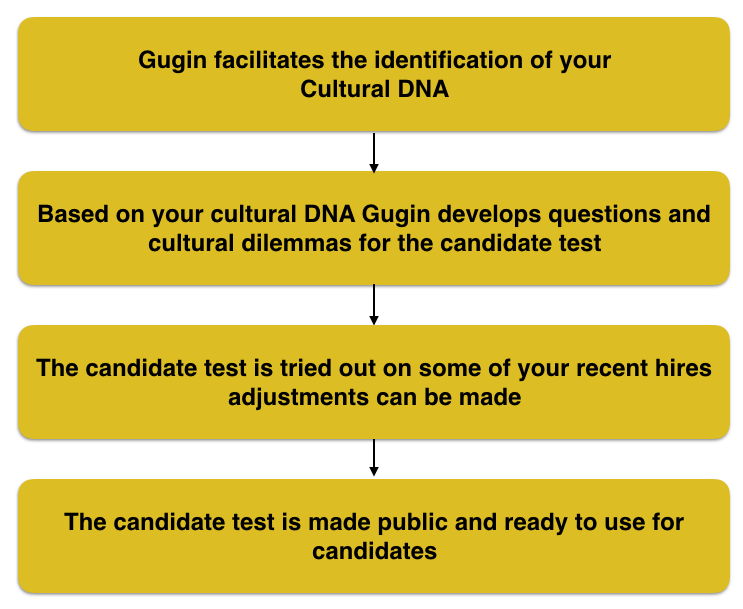
How is it implemented?
There are several ways we can implement the test.
It can be built into your existing recruitment systems so that it will have the look and feel of your corporate online presence.
You can also choose to run it from Gugin's extranet. It has the advantage that you can test for a cultural fit between your company and a candidate without disclosing your company name if that is important to you.
Let us have an informal call about how we can help you

I just say things as they are…
I just say things as they are – is a phrase we often hear. It reveals that the person saying it has very low cultural and emotional intelligence

Cross-Cultural Team Development in the Southern French Alps
Team development in the southern French Alps is a great way to develop your cultural competence is in your team together with the Gugin experts
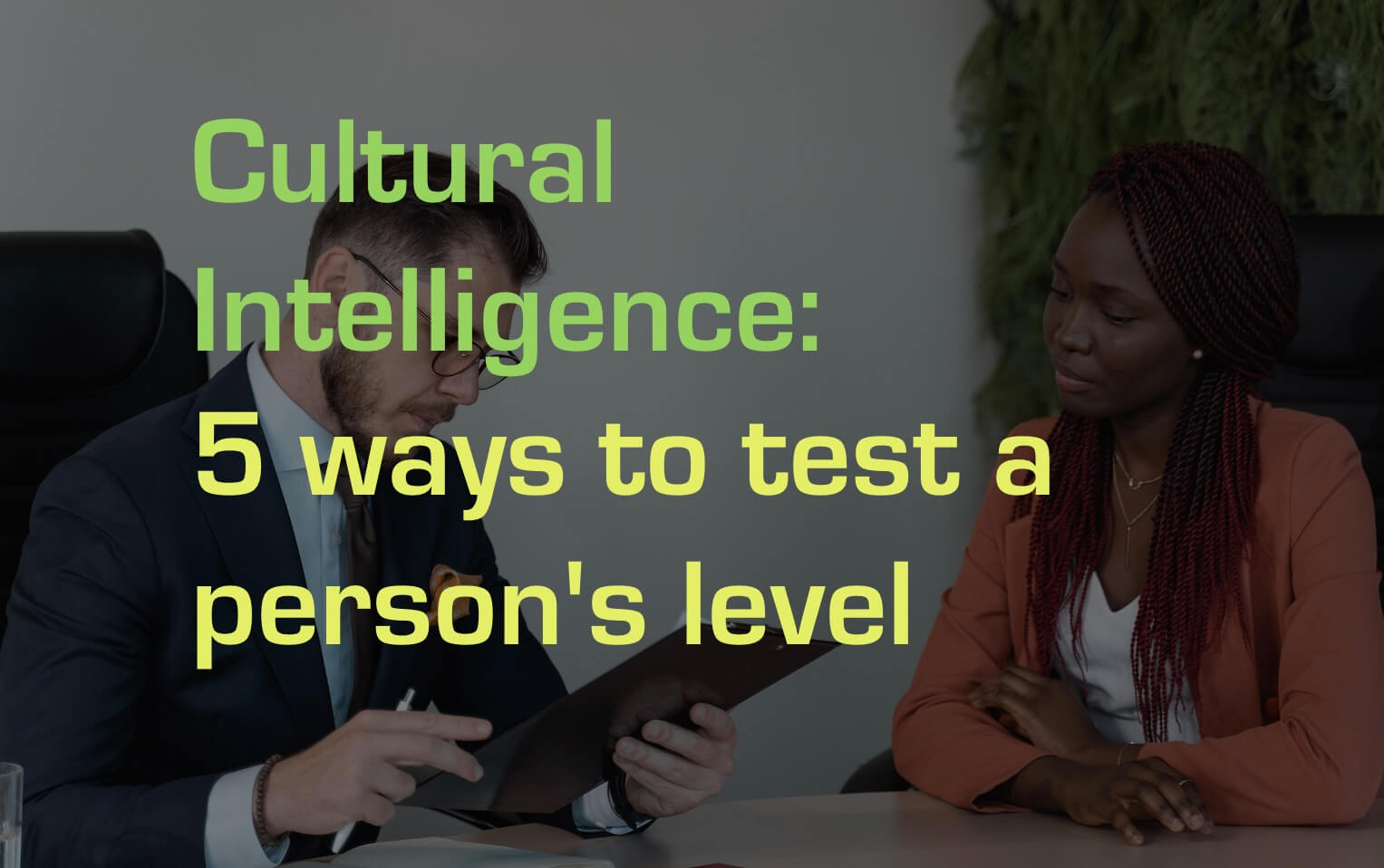
Cultural Intelligence: 5 ways to test a person’s level
We all know them - people, who have been hired because of outstanding professional and technical qualifications, but who, unfortunately, are impossible to work together with. One of the reasons why we have these "talented islans" as we call them in Gugin is because...
Cross-Cultural Leadership The Challenges and Opportunities
Cross Cultural Management is challenging to most managers. This article outlines 3 of the challenges and suggests how you can deal with them

The Real Reason Your Company Can’t Attract Young Talent — And Why It’s a Leadership Problem
companies believe their Gen Z talent problem is a recruitment issue. The research says otherwise. Discover why your ability to attract young talent comes down to one thing most organisations consistently overlook — and what emotionally intelligent leadership has to do with it.
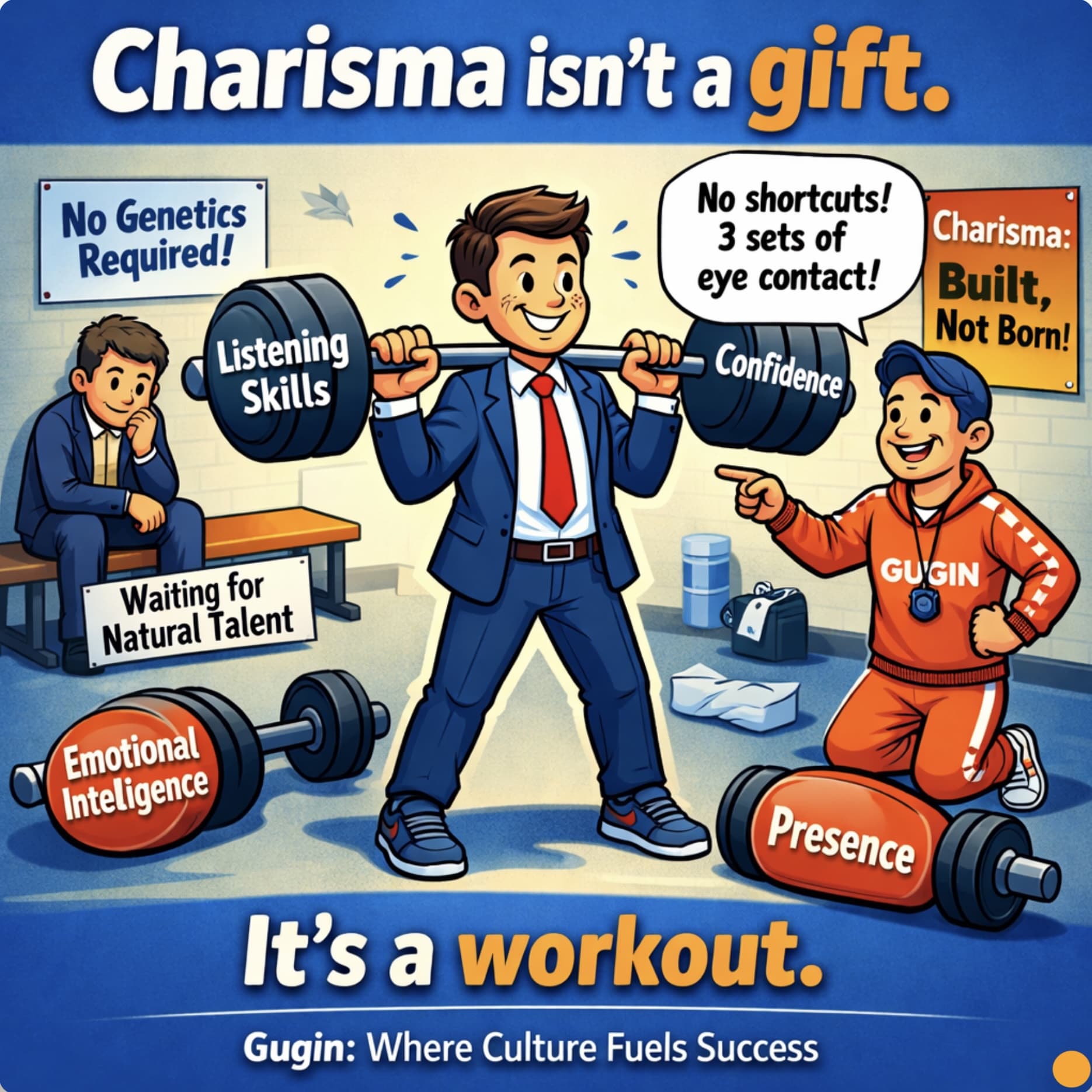
Charisma Is Not a Gift — It’s a Skill. Here’s How Gugin Teaches It.
What separates a good leader from one who truly moves people? Research — and decades of cultural intelligence practice — point to one word: charisma. And unlike talent, charisma can be learned.

Culture Audit – Get the truth about your organisation
A Culture Audit gives you crucial insight into how well your company culture is supporting your strategy and desired values. You might be in for a big surprise