
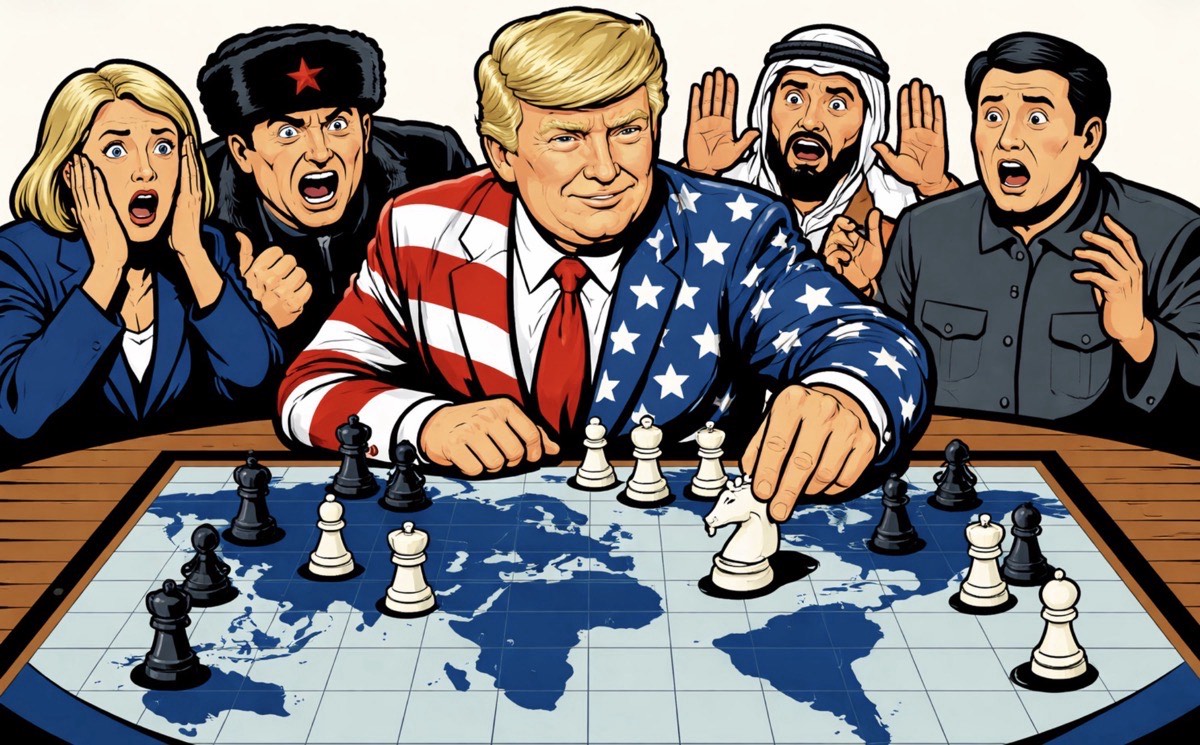
That USA Walks from One Disaster to Another as It Lacks Emotional and Cultural Intelligence is hardly a surprising headline.
There is a pattern emerging in American foreign policy that is as predictable as it is destructive. Time and again, the United States charges into complex geopolitical situations armed with economic firepower and military muscle, but stripped of the one thing that actually moves people: the ability to understand them. The ongoing confrontation with Iran is the latest - and perhaps most dangerous - chapter in this recurring story.
Two Worlds, Two Worldviews - One Disaster
To understand why US-Iran negotiations keep collapsing, you first have to understand that these are not just two countries with competing interests. They are two civilisations operating from fundamentally different cultural frameworks.
American negotiating culture is transactional. Get to the table, put the terms on paper, shake hands, and move on. Time is money. Speed signals strength. A written agreement is the goal, and the faster you reach it, the better. This approach works reasonably well between cultures that share similar assumptions - but it fails spectacularly when applied to a society like Iran.
Iranian culture is rooted in thousands of years of history, poetry, philosophy, and - critically - a deep tradition of relationship-based trust. In Farsi, there is a concept called ta’arof, a system of elaborate social courtesy that governs how Iranians interact. Nothing is taken at face value. Trust is not given; it is earned - slowly, patiently, through repeated demonstration of respect and sincerity. An Iranian negotiator is not simply evaluating your proposal. They are evaluating you. Your character. Your consistency. Whether you are someone worth trusting at all.
These are not compatible starting points. They require enormous cultural intelligence to bridge - and bridging them is precisely what organisations like Gugin have spent the past two decades doing.
What Twenty Years in the Field Teaches You
At Gugin, emotional and cultural intelligence are not buzzwords. They are the foundation of everything we do. For over 20 years, we have worked with companies and organisations across the world — helping them navigate exactly these kinds of cultural fault lines in negotiations, partnerships, and leadership. We have seen, firsthand, how deals collapse not because of bad intentions, but because of a failure to understand the cultural logic of the other side.
The US-Iran situation is not a mystery to anyone trained in cross-cultural intelligence. It is, tragically, a textbook case of what happens when none of that intelligence is applied.
The core lesson we teach is simple but profound: before you can make a deal, you must make a relationship. And before you can make a relationship, you must demonstrate that you understand and respect the world the other person comes from. Skip those steps - as the United States keeps doing - and no amount of leverage will get you to a durable agreement.
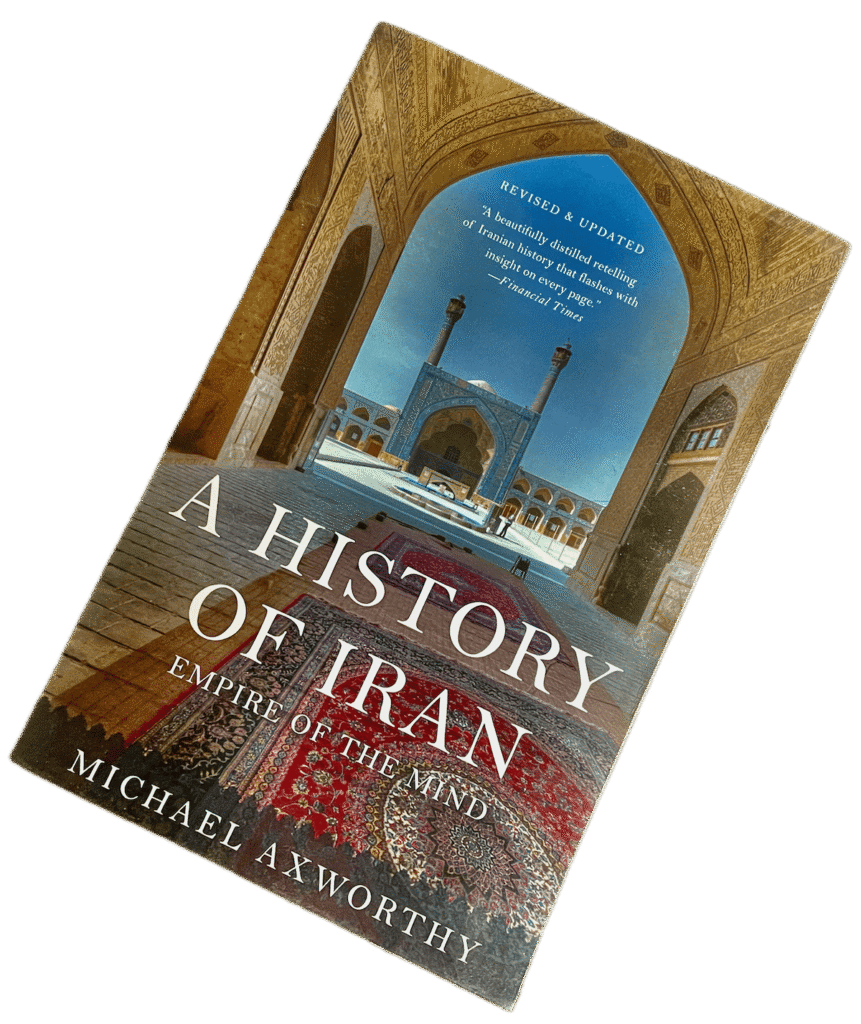
As an introduction I can highly recommend reading "A History of Iran" by Michael Axworthy. It is a book that in a brilliant way describes how Iran, that has had a civilisation since 4000 BC, has developed culturally, religiously and socially. When you have that timespan of history, you look at things very differently than Americans do.
Bombing During Negotiations
What makes the current situation so staggering is not just the cultural mismatch - it is the active destruction of the very conditions needed for diplomacy to function. During ongoing negotiations, the Trump administration launched military strikes on Iranian-backed positions. Not once, but twice.
Let that sink in. You are sitting at a negotiating table, and the other party bombs your allies while the talks are still happening. In any cultural context, this would be considered a profound breach of trust. In Iranian culture, where honour, dignity, and consistency of character are foundational values, it is not merely a setback. It is disqualifying. You do not recover trust after that with a press release or a new round of talks. You have told your counterpart exactly who you are.
This is not diplomacy. It is coercion dressed up in the language of negotiation.
The Surrender Demand
The situation has reached almost absurd levels with the United States essentially asking Iran to surrender - to dismantle its nuclear programme, abandon its regional alliances, and reshape its entire security posture. All of this from a country that has spent decades imposing sanctions, threatening military action, and assassinating Iranian military commanders.
Iran is a proud, ancient civilisation with a strong national identity. Its leadership - whatever one thinks of them - answers to a population that has lived under the shadow of US interference since the CIA-backed coup of 1953. Asking Iran to capitulate completely, with no credible security guarantees and no demonstrated respect, is not a negotiating position. It is a demand for humiliation. And history is very clear about what happens when you try to humiliate a nation into compliance. It does not work.
The Intelligence That Matters Most
Emotional intelligence in geopolitics means being able to recognise what the other side actually needs - not just what they are saying, but what drives them. Security. Recognition. Dignity. A sense that they are being treated as equals, not as a problem to be managed.
Cultural intelligence means understanding that your way of doing things is not the universal way - that the American model of fast, transactional deal-making is a cultural preference, not a global standard. It means doing the homework. Bringing in genuine experts. Listening to people who have spent decades studying Iranian society, language, and psychology.
This is work that Gugin does every day with corporate clients navigating high-stakes cross-cultural negotiations. The playbook is not complicated, but it demands humility and preparation. You study the other culture deeply. You build trust through consistency and respect before you ever put a proposal on the table. You understand that silence is not weakness, that indirect communication is not dishonesty, and that a slow negotiation is not a failed one. In Iranian culture especially, patience is not a tactic - it is a value.
There is no evidence that any of this thinking is present in the current US approach. What we see instead is a foreign policy run on instinct, ego, and the assumption that enough pressure will eventually break any resistance. It will not break Iran. It never has.
The Cost of Arrogance
Every bridge the United States burns in the Middle East takes years - sometimes decades - to rebuild. The Iranian people are not monolithic. There are millions who would welcome a genuine, respectful engagement with the West. But each military strike during negotiations, each humiliating demand, each demonstration that American commitments cannot be trusted, pushes those voices further to the margins.
Real peace between the US and Iran is possible. But it will require something the current administration appears constitutionally incapable of: the humility to understand a culture that is not your own, and the patience to build trust before demanding results.
At Gugin, we believe that emotional and cultural intelligence are not soft skills — they are the most strategically important skills in an interconnected world. We have seen what happens when organisations invest in them. And we see, playing out in real time on the world stage, what happens when they don’t.
Until Washington learns that lesson, the walk from one disaster to the next continues.
Finn Majlergaard is the founder of Gugin, a global advisory firm specialising in emotional and cultural intelligence. Gugin has helped organisations across the world navigate cross-cultural negotiations and leadership challenges for over 20 years.
Visit Dr Majlergaard's LinkedIn Profile
The top 5 company culture challenges for managersUnited Airlines corporate culture – a patient to be examinedCompetitive advantage – a new way of calculating it