
Merging organisations. The difficult task most CEO's think they master - but they don't
- which is why 2/3 of all Mergers fail to meet their objectives due to cultural clashes. Here are the top 5 reasons why merging organisations go wrong and what you can do to improve
The excitement when announcing a merger between two companies is usually substantial. It is because a merger seems like the best choice for both companies. Together they might be able to lower the cost, get access to new markets, balance out each other's weaknesses etc. The strategic reasons can be many and the executive teams are usually excited about the future. But that excitement usually fades when it comes to actually process of merging organisations. At the time when you have to do the actual integration the Champagne is gone and the executives have already cashed in on the transaction. Furthermore, no one knows how to integrate organisations and some executives even believe it happens by itself, just they write the word "integration" in a powerpoint presentation.
It is also rare to see the same high level of excitement further down in the organisation. The middle managers are having a hard time surviving being squeezed from both the bottom and the top, so a merger will only increase the pressure on them without adding any benefits at all. Further down in the organisation most people will be sceptical and fear that their job might become redundant after a short while.
All these fears exist even before the planning of merging organisations has begun. Fear is paralysing us psychologically. When we feel fear we spend most of our resources trying to eliminate that fear - resources that should have been spent on working for the benefit of the company.
When it is time to merge the organisations most people are scared - except the members of the senior management team who are excited (as they have nothing to lose) and often they assume that everybody else is excited too.
People are scared because nobody likes change and because M&A's, in particular, impose a threat on many people. I haven't seen a single merger or acquisition made so far when the main purpose of benefitting the employees - have you?
Gugin has facilitated a number of post-merger integrations over the years and we have counselled integration teams on the side in many cases as well. Based on our experiences we have created a list of the 5 most important things to remember when merging organisations. We will look forward to hearing your feedback and also discuss how we can assist you in your next post-merger integration process
1. Most people are against the merger or acquisition
The exitement is usually limited to the senior management teams of the two companies. Everybody else are in between constructive scepticism and a state of denial. This is because a merger or acquisition imposes a huge threat and as I wrote above - they never benefit the middle managers or employees
2. Don't forget your business
A post-merger process is extremely time consuming and is always underestimated. If proper, realistic estimates were made most mergers or acquisitions would never be executed because the cost would be too high. Planning the process and deciding to which level you want to integrate is time consuming. When merging organisations you have to find a way to bring together 2 families who never asked to be together and often the were competitors before the were brought together. They have very different cultures with different norms, values, traditions and history. Assessing these cultures (Gugin Cultural Diligence) and drafting how you want the new culture to be takes a fair amount of time too. when you have drafted the new desired culture you have to facilitate the entire organisational integration and cultural development process. Depending on the organisation it takes between 3 - 12 months.
While you are taking on these time consuming unfamiliar tasks you have to run your business so you don't lose momentum.
So usually the integration process is forgotten before it is even started and sometimes leave the 2 organisations wrecked. It is in a situation like that you can benefit having a company like Gugin facilitating the integration process so you can do what you do best, namely keeping the eyes on your daily business to make sure you don't lose customers and key employees.
3. Do you have the skills and courage to actually lead?
When running the business on a daily basis where no major changes are happening the expectations to the leader/manager are moderate. When big changes are happening like a merger or acquisition people at looking at their leader and expect him or her to show them the way through the mine field. And it is a mine field and the employees and middle managers are filled up with fear even if the appear calm, relaxed and in control. When we human being har fear we look for a way out of that situation. Children listen to their parents (for a change), passengers listen to the stewardesses (for a change) and employees and middle managers listen to their boss (for a change).
So being able to explain and create an image of the future that people can relate to is absolutely crucial. Some are very good at it, most people are not. People don't get exited and comforted by being presented with a powerpoint presentation with bullet points and spreadsheets. They want the real thing. They want their boss to stand up and tell them from the bottom of his or her heart how the future is going to be. Integrity it is called. We prepare that part too if you need it.
4. Have your masterplan and communication plan ready from day one
It might sound strange but quite a few of our clients don't have a clear plan for to which degree they want to integrate the organisation, how they are going to do it and how long it should take. Our advice is that these things must be in place before the announcement for several reasons. Firstly it is the first quistions that are going to be asked. Secondly, if everything is thought through and planned and ready to execute you will appear a lot more confident and trustworthy to both internal and external stakeholders. Thirdly, if you have your masterplan ready you will also know when to communicate the messages, how to communicate them and how to deal with the feedback.We have seen too many senior management teams being run over by internal and external stakeholders who want answers to all sorts of questions.
5. Remember: Merging organisations is probably not your core competence
Merging organisations is probably not your core competence, but it is ours. Taking on a huge project of merging two organisations and at the same time running the current business is impossible.
Letting a partner like Gugin facilitate the integration process gives you a number of advantages like:
- You can access to crucial competences that will speed up the process and avoid failures
- The people involved are usually more willing to speak frankly with external partners, which means we can provide much better information about concerns and fears without disclosing the origin.
- You can concentrate on your main business
- We have a huge pool of resources available across the globe
Merging organisations can be successful - here are 20 examples from Forbes

Dr Finn Majlergaard
CEO Gugin, Professor, Author, Keynote Speaker, Author
- We align your corporate culture with your strategy.
- We take you safely through major changes in your organisation.
- We develop the crucial cultural intelligence in your organisation by training your employees and leaders
- We help you develop a competitive advantage with a unique corporate culture
Gugin has helped more than 600 companies around the world creating a winning corporate culture.


I just say things as they are…
I just say things as they are – is a phrase we often hear. It reveals that the person saying it has very low cultural and emotional intelligence
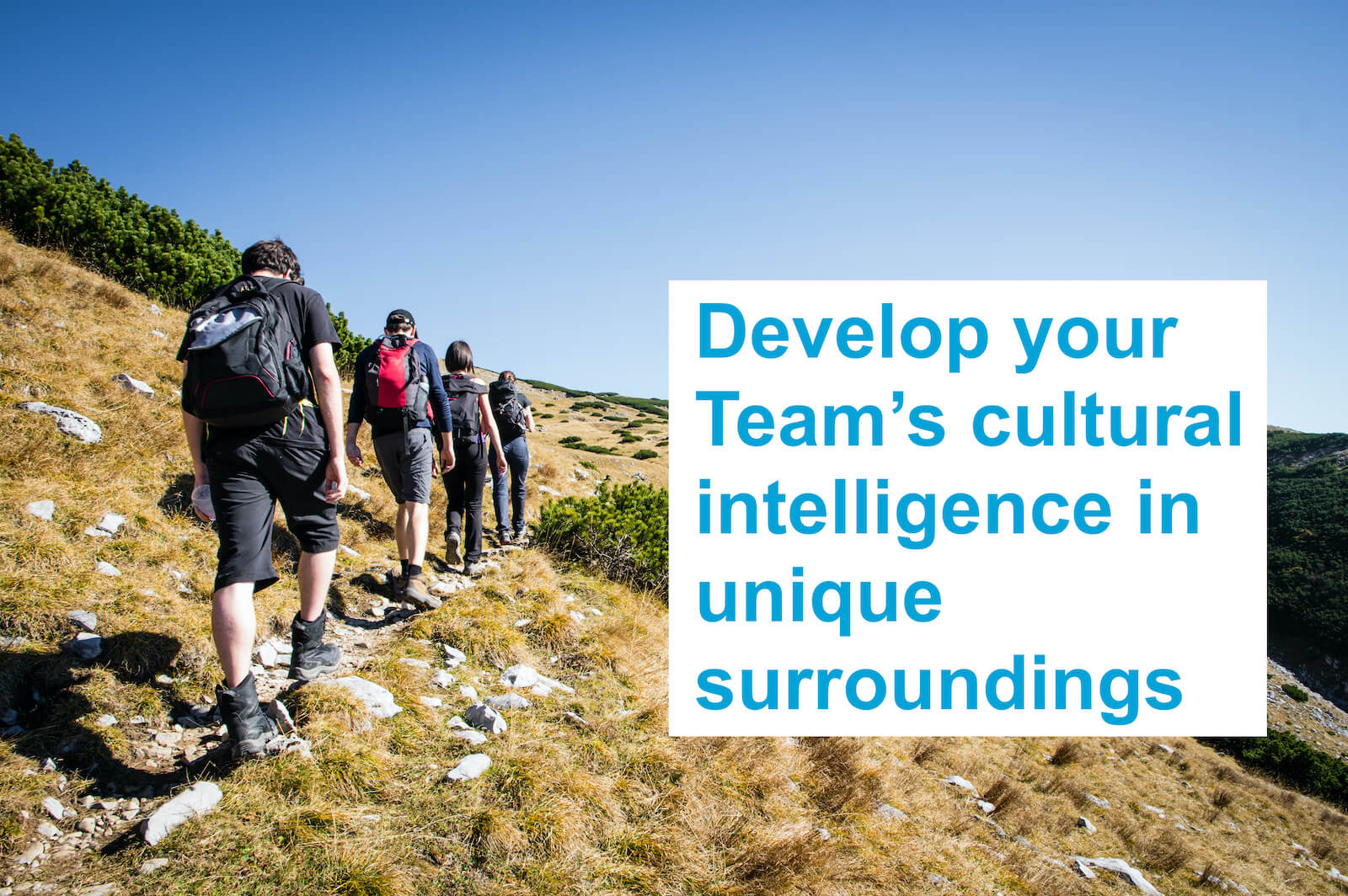
Cross-Cultural Team Development in the Southern French Alps
Team development in the southern French Alps is a great way to develop your cultural competence is in your team together with the Gugin experts
Cultural Intelligence: 5 ways to test a person’s level
We all know them - people, who have been hired because of outstanding professional and technical qualifications, but who, unfortunately, are impossible to work together with. One of the reasons why we have these "talented islans" as we call them in Gugin is because...
Cross-Cultural Leadership The Challenges and Opportunities
Cross Cultural Management is challenging to most managers. This article outlines 3 of the challenges and suggests how you can deal with them

The Real Reason Your Company Can’t Attract Young Talent — And Why It’s a Leadership Problem
companies believe their Gen Z talent problem is a recruitment issue. The research says otherwise. Discover why your ability to attract young talent comes down to one thing most organisations consistently overlook — and what emotionally intelligent leadership has to do with it.
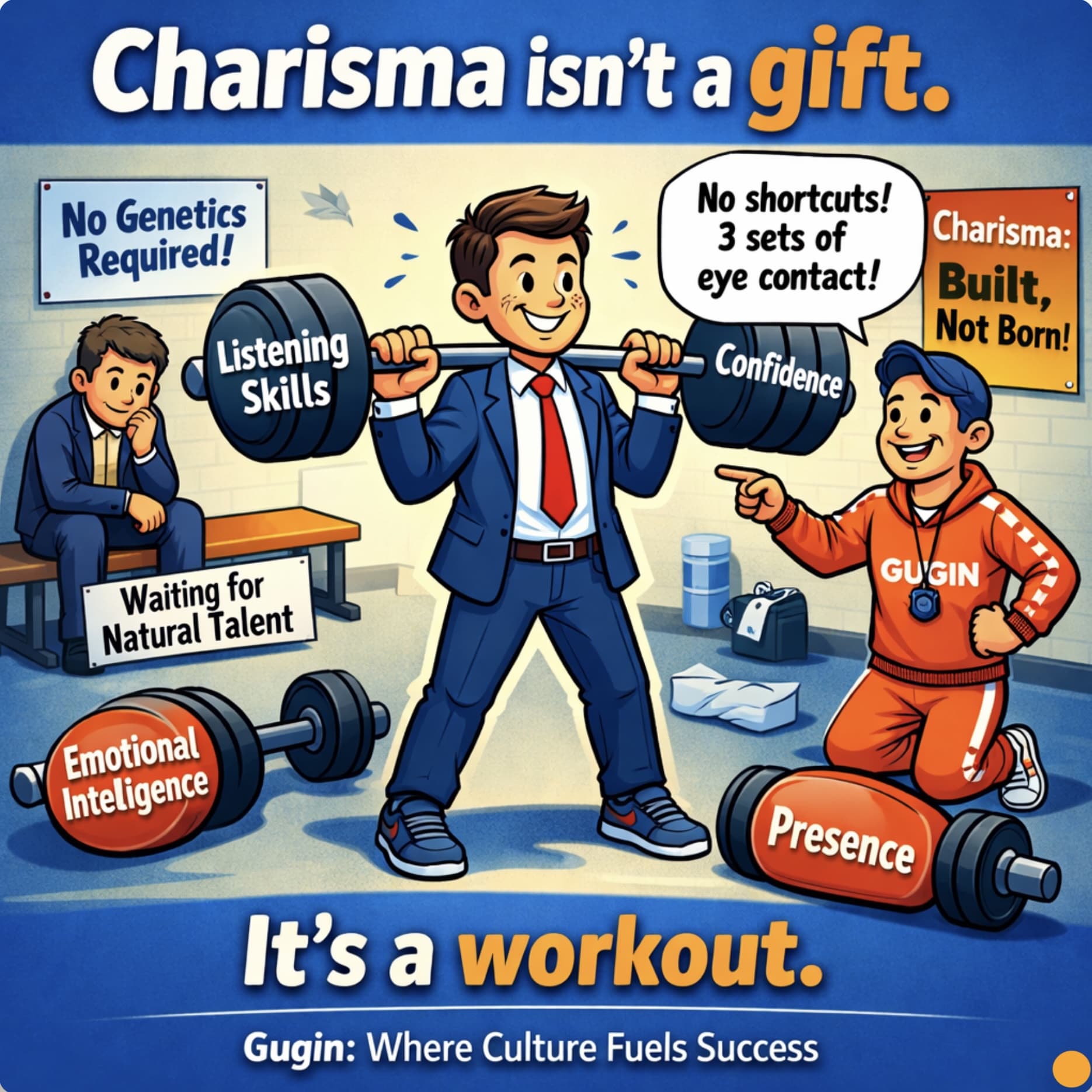
Charisma Is Not a Gift — It’s a Skill. Here’s How Gugin Teaches It.
What separates a good leader from one who truly moves people? Research — and decades of cultural intelligence practice — point to one word: charisma. And unlike talent, charisma can be learned.
Culture Audit – Get the truth about your organisation
A Culture Audit gives you crucial insight into how well your company culture is supporting your strategy and desired values. You might be in for a big surprise