

Making your multicultural team happy and motivated is difficult. If the group is very diverse it might seem almost impossible - but it is not - read on
Are you one of those people who always feel responsible for other people not feeling comfortable? Or have you realised that you for professional reasons need to have a team that works well together despite all the differences of the individual members? Most likely you are a combination of the two plus a lot more.
This article is about the best things you can do for your multicultural team irrespectively of your motivation for wanting your team members to work well together.
What are the challenges for multicultural teams?
Some of the most common challenges we identify when we assess a multicultural team are misunderstandings and misinterpretations. We often think we are on the same page when we use the same words, but that is often far from reality. We often use the word "Quality". Try to ask all your team members or colleagues to define the word "Quality" and see what happens. Even if it is a homogenous group of people you will get very different definitions of "Quality". When we communicate with other people we instinctively assume they have the same definition as ourselves. It is not until later we discover that there have been some misunderstandings. Often we don't realise it is a misunderstanding. Instead, we blame other people for not listening, being stupid or running away from agreements. A conflict is born!
You can minimise the risks of ending up in that unfortunate situation by adopting a few new habits that will make your life in a multicultural team easier and hopefully increase the satisfaction level among all the team members.
There is one quality you and the other team members must possess in order to become a successful multicultural team. And that is cultural intelligence. We have a thorough test for individuals and teams but you can have a teaser here to test yourself
Best things you can do for your multicultural team
- Focus on - and promote commonalities
You always have a choice whether you want to focus on the differences or the commonalities when being together with other people. Our brain is quite biased. We think we are in control, but that is just an illusion. When for instance we fall in love we focus on all the things and values we have in common with that other person. When years later we are going to divorce that same person we focus on all the things and values where we are different from that other person.
Being in a team is a constant challenge that requires us to focus on the commonalities all the time. The reason for that is that when you start by focusing on the commonalities it is much easier to overcome the differences afterwards. When you focus on the commonalities in a group it helps to create trust. Trust is a fundamental necessity when you need to overcome challenges in a group. - Ask: What do you mean by...
Teams are often under immense time pressure but it is important to make sure that the team members are on the same page communication-wise. If the team have members from different nationalities we are usually aware that misunderstandings can happen because of differences in languages. But if your team members speak the same language but come with different professional, organisational, educational or personal backgrounds there is an equally good chance that you will end up in cultural misunderstandings. But because you all speak the same language you will assume you are culturally aligned too, which of course isn't the case.
That is why it is a good habit always to ask for clarification even if you think you know what the other person means. - Do social things together
Your role in a team gets fixed very easily - even if you try not to. Other team members will quickly discover your strengths and weaknesses in the team and bring you into play where your strengths can be most useful. The problem is that the image we have of other team members strengths and weaknesses is usually wrong or at least not completely. But because you are all busy achieving whatever your team is meant to achieve you don't have time to evaluate if you are utilising your team members' resources in the best possible way.
It is therefore very important that you do things together where you can take on new roles. It can be anything like cooking together, overcoming a group challenge in a different setting e.g. nature, play theatre together. The list is endless. The important thing is to get out of your professional comfort zone so you can show other aspects of your personality and new talents. In Gugin we have arranged a lot of such events for our clients ranging from cooking challenges to via ferrata in the Alps to survival trips in the Borneo Rainforest. It doesn't have to be extreme to be successful.
You can read more about how to resolve cultural conflicts in multicultural teams here. - Don't stereotype - because stereotypes don't exist
It is easy to stereotype on other people and in the cross-cultural area, there is a lot of literature and consultants who are promoting stereotypes because it is easy to sell and fuels our idea about the world being simple and manageable. But it is wrong. It is wrong because we are far more complex than that. We stereotype on nationalities, religions, professions, genders, sexual orientations, etc. usually with the purpose of establishing a "them" versus "us" relationship. It is a fundamental attribute to all cultures as we largely define ourselves by who we are not.
It might seem harmless and fun when we in a multicultural team joke about other team members nationality, religion, profession, sexual orientation etc. And there is no problem as long as everybody sees it the same way and agree that it is ok.
It is not ok when you try to wipe out someone because of the factors above. We all have at least 10 different identities, and we decide which of these identities we choose to flash at a given point in time. Just because we have an identity doesn't mean it means a lot - especially not if it is an identity we haven't chosen ourselves e.g. nationality, gender, race, etc. We have therefore no right to impose the importance of any identity on anyone.
You can read more about the dangers of stereotyping here - Be open to different ways of doing things
One of the best ways to make team members feel included is to let them climb beyond their role and let them contribute with something more and bigger. But that requires that you and other team members are open to new suggestions even if what you have today works. The old saying "If it works don't fix it" doesn't apply here. Just because things work doesn't mean they can't work better. In a complex world like ours, it is unlikely that the status quo is the best solution. So use the diversity in your team to experiment with new ways of doing things - just because you can.
One of the things you have to become good at is managing exceptions in a multicultural team. You can read more about that here

Dr Finn Majlergaard
CEO Gugin, Professor, Author, Keynote Speaker, Author
- We align your corporate culture with your strategy.
- We take you safely through major changes in your organisation.
- We develop the crucial cultural intelligence in your organisation by training your employees and leaders
- We help you develop a competitive advantage with a unique corporate culture
Gugin has helped more than 600 companies around the world creating a winning corporate culture.


I just say things as they are…
I just say things as they are – is a phrase we often hear. It reveals that the person saying it has very low cultural and emotional intelligence
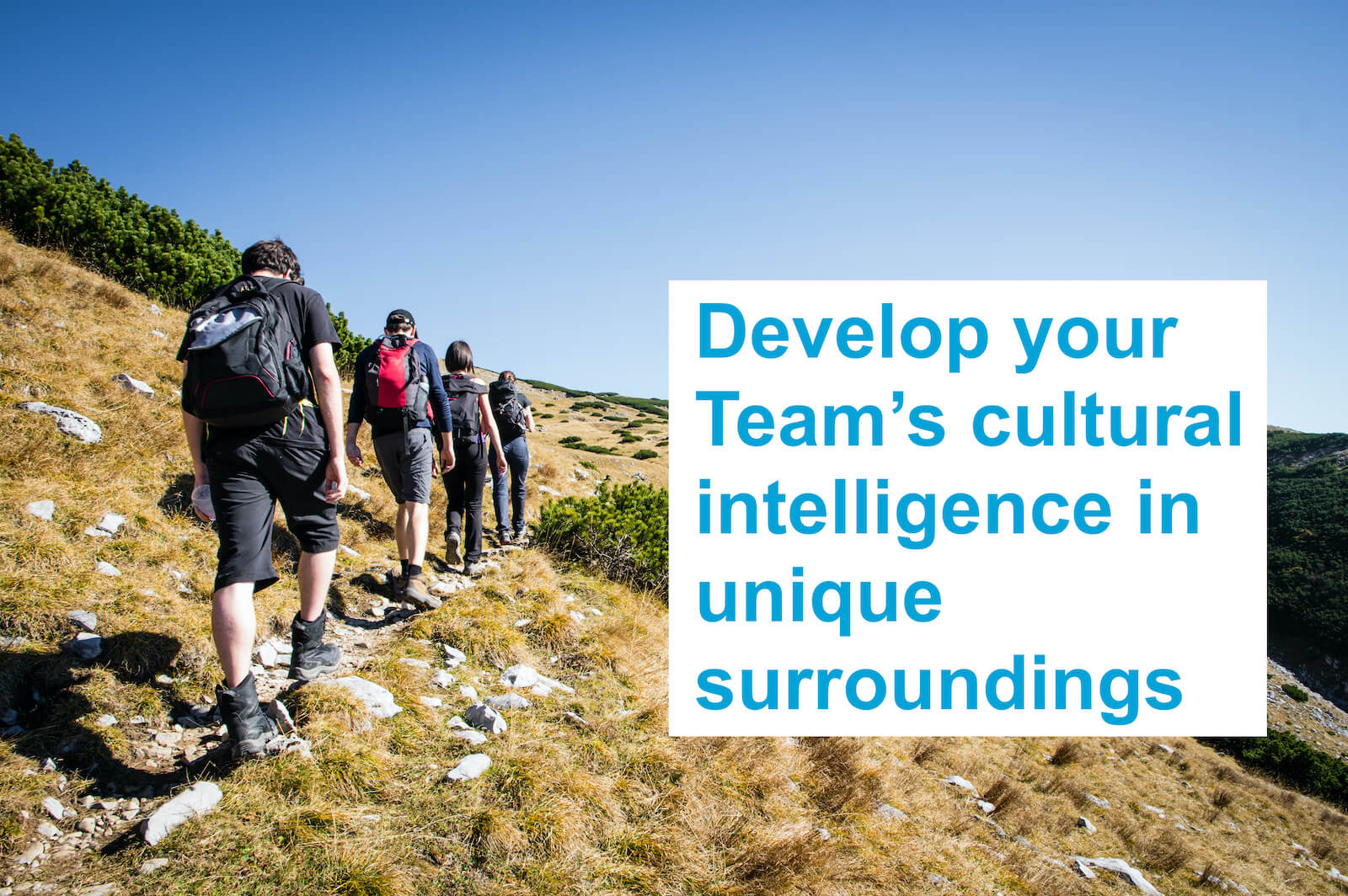
Cross-Cultural Team Development in the Southern French Alps
Team development in the southern French Alps is a great way to develop your cultural competence is in your team together with the Gugin experts
Cultural Intelligence: 5 ways to test a person’s level
We all know them - people, who have been hired because of outstanding professional and technical qualifications, but who, unfortunately, are impossible to work together with. One of the reasons why we have these "talented islans" as we call them in Gugin is because...
Cross-Cultural Leadership The Challenges and Opportunities
Cross Cultural Management is challenging to most managers. This article outlines 3 of the challenges and suggests how you can deal with them

The Real Reason Your Company Can’t Attract Young Talent — And Why It’s a Leadership Problem
companies believe their Gen Z talent problem is a recruitment issue. The research says otherwise. Discover why your ability to attract young talent comes down to one thing most organisations consistently overlook — and what emotionally intelligent leadership has to do with it.
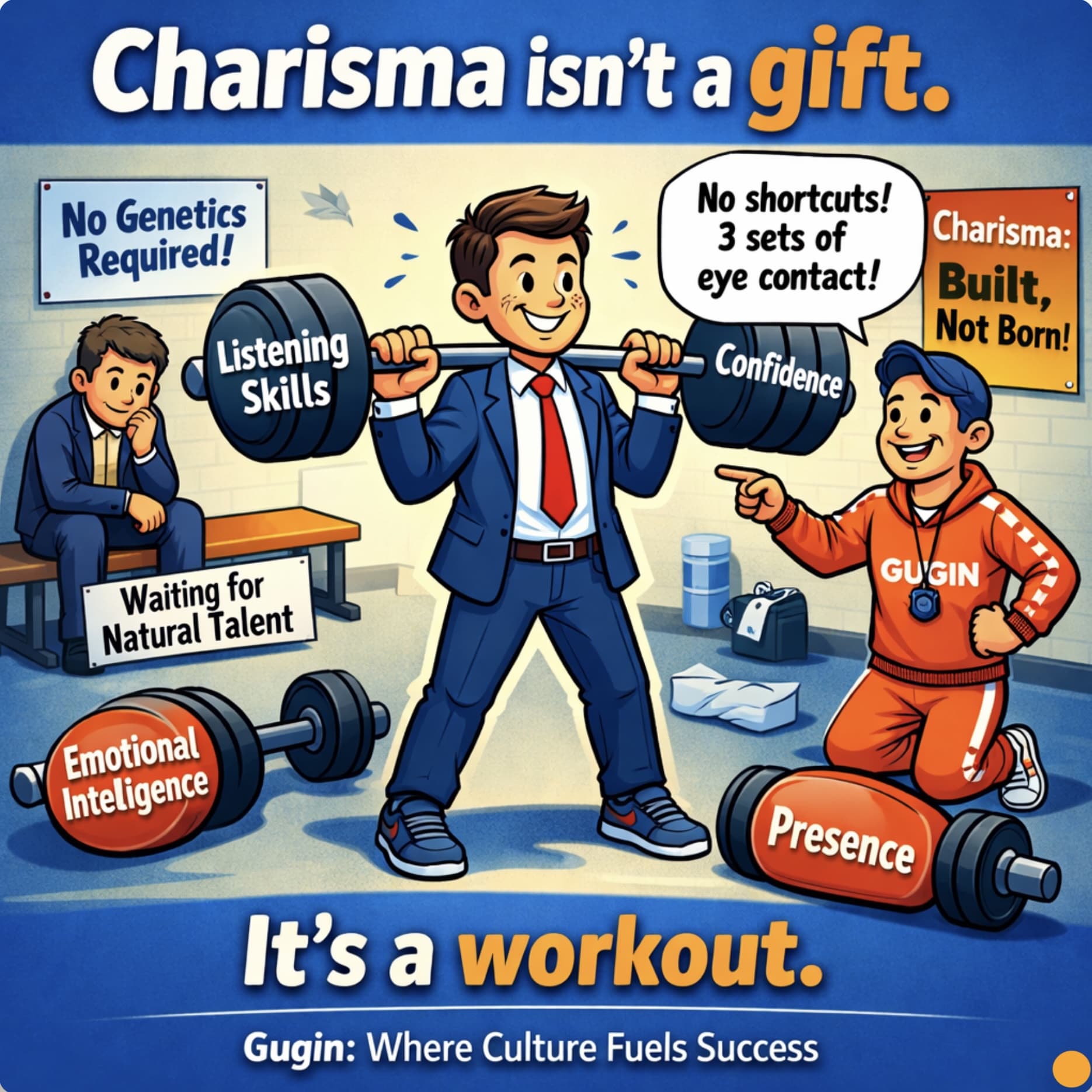
Charisma Is Not a Gift — It’s a Skill. Here’s How Gugin Teaches It.
What separates a good leader from one who truly moves people? Research — and decades of cultural intelligence practice — point to one word: charisma. And unlike talent, charisma can be learned.

Culture Audit – Get the truth about your organisation
A Culture Audit gives you crucial insight into how well your company culture is supporting your strategy and desired values. You might be in for a big surprise